
Across Africa, access to dependable electricity remains one of the most significant challenges affecting economic growth, industrial productivity, healthcare delivery, education, and digital transformation. While many countries continue to invest in expanding national grids, increasing demand, ageing infrastructure, and rising fuel costs highlight the need for smarter, more resilient energy systems.
Resilient energy infrastructure is no longer simply about generating electricity. It is about creating flexible, intelligent, and sustainable power systems capable of adapting to changing energy demands while maintaining reliable performance in both urban and remote environments.
Why Energy Resilience Matters
Reliable electricity enables businesses to operate efficiently, hospitals to provide uninterrupted care, telecommunications networks to remain connected, and industries to maintain continuous production.
However, many organisations across Africa still face challenges such as:
- Frequent grid instability
- Rising operational costs
- Limited access to reliable electricity
- Dependence on a single fuel source
- Increasing demand for cleaner energy solutions
Addressing these challenges requires a new approach—one that combines flexibility, efficiency, and long-term sustainability.
The Shift Towards Smarter Energy Systems
Modern energy infrastructure is evolving beyond traditional generators and standalone power systems. Today’s organisations require integrated solutions capable of intelligently managing multiple energy sources while reducing operating costs and improving reliability.
These systems can combine:
- Grid electricity
- Compressed Natural Gas (CNG)
- Diesel or petrol generators
- LPG and alternative fuels
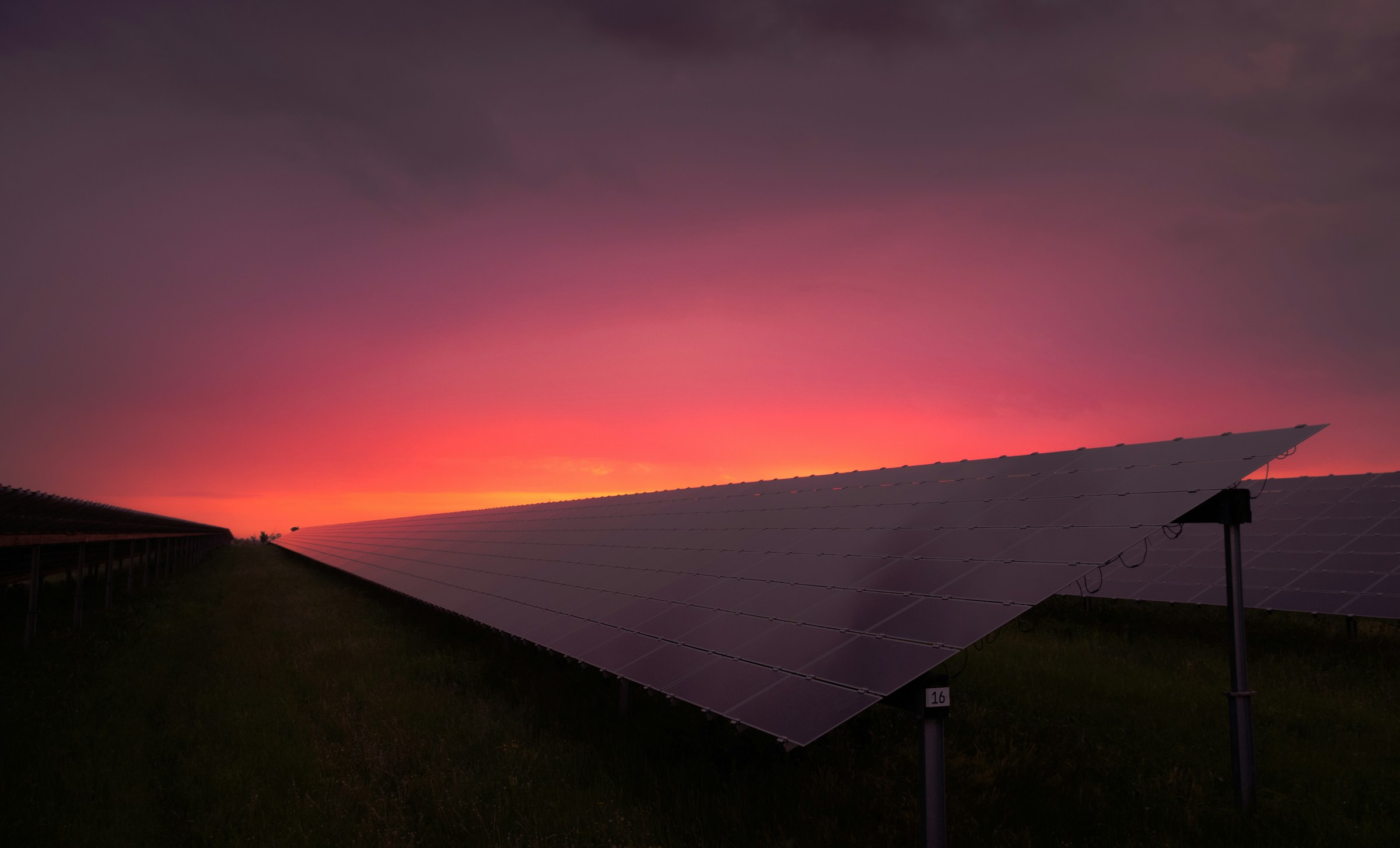
- Solar energy
- Battery storage
Rather than relying on a single energy source, businesses can switch between available resources based on operational needs, fuel availability, or cost efficiency.
This flexibility creates a more resilient and dependable energy ecosystem.
Personal Power Units: A Smarter Way to Generate Power
Personal Power Units (PPUs) represent a significant advancement in distributed energy technology.
Unlike conventional backup generators, PPUs are designed to integrate multiple power sources into one intelligent platform, allowing users to optimise performance while maintaining continuous energy supply.
Key advantages include:
- Multi-fuel compatibility
- Intelligent energy management
- Hybrid solar integration
- Scalable power capacity
- Continuous operation
- Remote monitoring capabilities
Whether supporting residential developments, commercial facilities, industrial operations, or telecommunications infrastructure, PPUs provide adaptable solutions for a wide range of applications.
CNG and Cleaner Energy Solutions
Compressed Natural Gas (CNG) is rapidly becoming an attractive alternative to conventional fuels across Africa.
As fuel prices fluctuate, organisations are increasingly looking for ways to reduce operating expenses while lowering environmental impact.
CNG offers several advantages:
- Lower fuel costs
- Reduced carbon emissions
- Cleaner engine operation
- Improved fuel stability
- Long-term operational savings
For commercial fleets and businesses operating large numbers of vehicles, professional CNG conversion can significantly improve efficiency while supporting sustainability goals.
Building Infrastructure That Can Grow
One of the defining characteristics of resilient energy infrastructure is scalability.
Energy requirements rarely remain static. Businesses expand, facilities increase production, and communities grow.
Modern energy systems should therefore be capable of expanding alongside operational needs without requiring complete system replacement.
Scalable energy platforms allow organisations to:
- Increase generating capacity
- Integrate renewable energy
- Add battery storage
- Upgrade monitoring systems
- Improve energy efficiency over time
This approach protects long-term investment while ensuring infrastructure remains relevant as technology continues to evolve.
Supporting Africa’s Sustainable Development
Reliable energy plays a critical role in achieving sustainable economic development.
Access to dependable power helps improve:
Industrial Productivity
Manufacturing facilities can minimise downtime and increase production efficiency through stable power availability.
Healthcare Services
Hospitals and healthcare centres rely on uninterrupted electricity to support life-saving equipment and patient care.
Telecommunications
Reliable energy keeps communication networks operational, particularly in remote and underserved regions.
Agriculture
Modern irrigation, processing, and cold storage facilities depend on consistent electricity to improve food production and reduce waste.
Small Businesses
Affordable and dependable power enables entrepreneurs to operate more efficiently while reducing operating costs.
Innovation Is Driving the Future
Africa’s energy future will not rely on a single technology.
Instead, the continent’s progress will be driven by integrated solutions that combine:
- Intelligent power management
- Alternative fuels
- Renewable energy
- Advanced electronics
- Energy storage technologies
- Digital monitoring systems
Together, these innovations create resilient infrastructure capable of supporting economic growth while reducing environmental impact.
Neso Power Africa’s Vision
At Neso Power Africa, we believe resilient energy infrastructure begins with intelligent solutions designed for real-world challenges.
From certified CNG conversion services and advanced Personal Power Units to high-quality energy kits and technical support, our mission is to help businesses, industries, and communities build dependable energy systems that are efficient, scalable, and future-ready.
By combining engineering expertise with innovative technology, we are helping shape a cleaner, smarter, and more resilient energy future for Africa.
Conclusion
Africa’s growing demand for reliable electricity presents an opportunity to rethink how energy infrastructure is designed, deployed, and managed.
Resilient power systems that integrate multiple energy sources, intelligent controls, and scalable technologies will play an increasingly important role in supporting economic development across the continent.
By investing in flexible, efficient, and future-ready energy solutions today, businesses and communities can build stronger foundations for tomorrow.